To Never Forget 360 video project
AU$870
of $5,000 targetyrs ago
Closed on 5th Nov 2019 at 8:00AM.
In a time when memories of the Holocaust are fading and anti-Semitism is on the rise, projects that can create a powerful impression of history on a new generation are more important than ever.
To Never Forget is an immersive video project that brings to life the stories of the victims behind a specific atrocity photograph taken by Nazi killing units against the Latvian Jewish population during WWII.
In 1941, 2731 Jewish people were executed on the beach outside Liepaja. Emil Strod, a Nazi soldier took a photograph of a group of women with a little girl moments before they were shot into a ditch. The photo survived thanks to David Zivcon who knew that this terrible incident should not be forgotten.
Using 360 degree video technology which allows the viewer through a set of goggles, to become immersed in the given story, this project will recreate the moments leading up to the massacre, sensitively dramatising the experiences of the people whose lives were taken that day.
The project aims not to shock with overt violent imagery, but to link the viewer to the past in an emotionally immersive way. Many museums dealing with historical atrocities feature photographs and displays to be viewed. This project forces the viewer to stand beside, rather than look at, the victims of genocide. 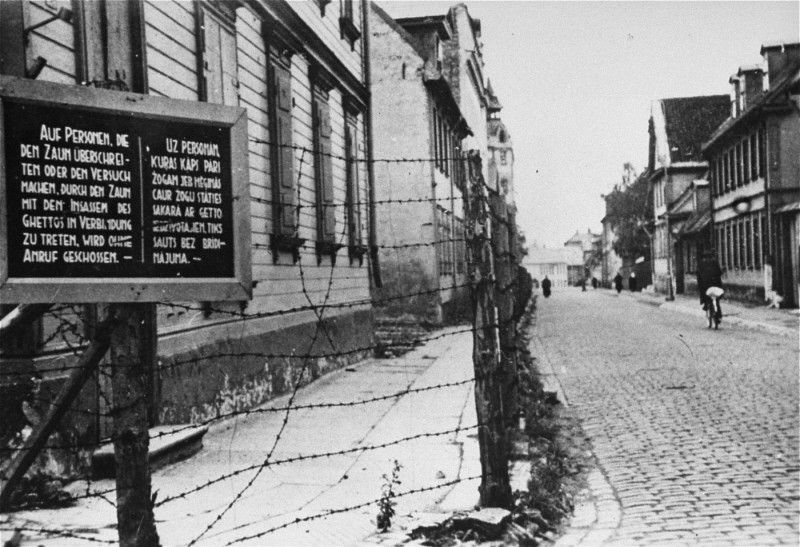
This project is crewed by Masters students from Griffith Film School and led by senior Griffith lecturer and award-winning filmmaker Dr Peter Hegedus. Peter’s most recent documentary, LILI, premiered at the Sydney Film Festival in June. LILI follows the story of Lili who as a little girl in Hungary witnessed a Holocaust massacre. As the grandson of a Holocaust survivor, Peter feels compelled to explore these stories.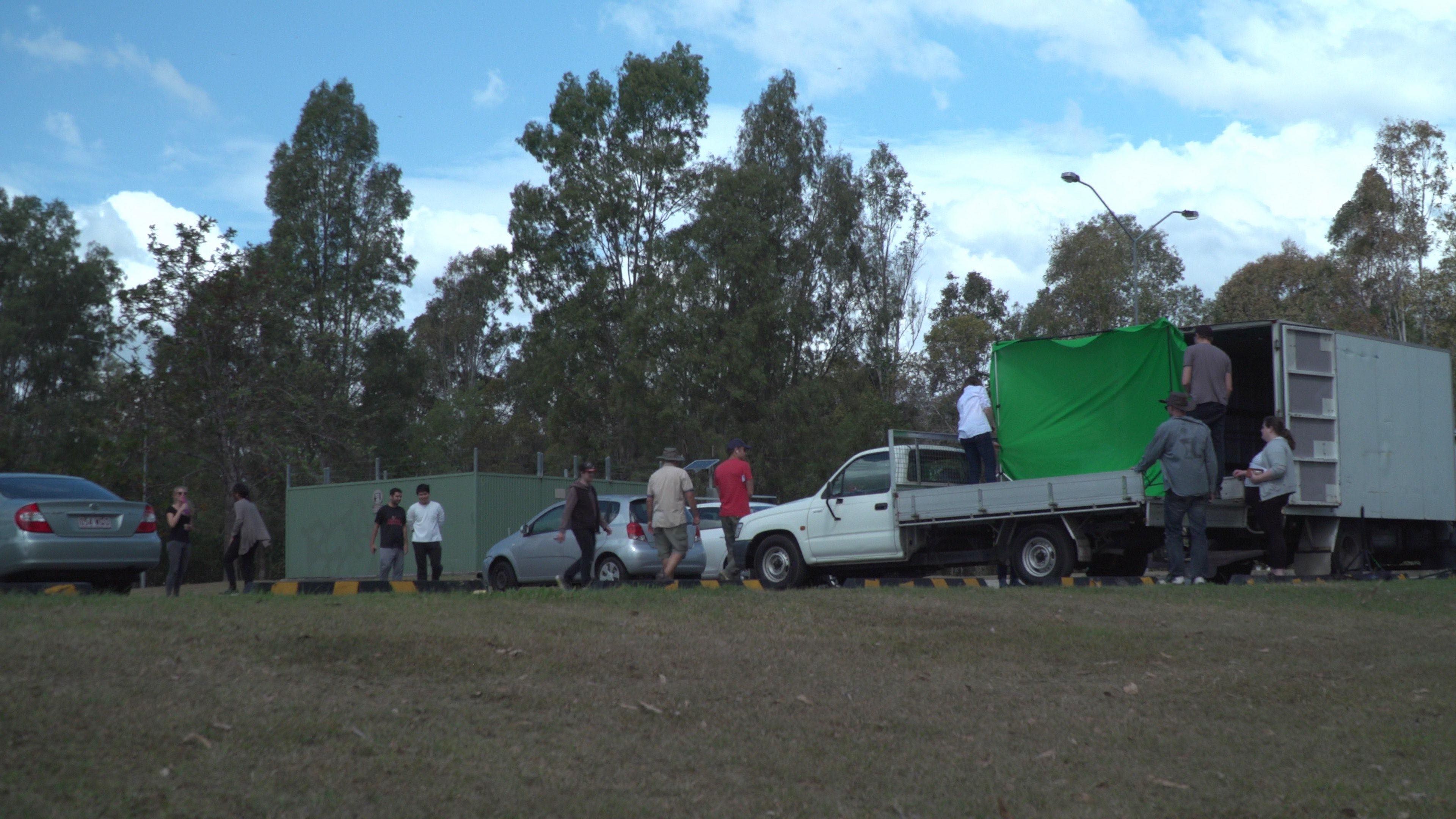
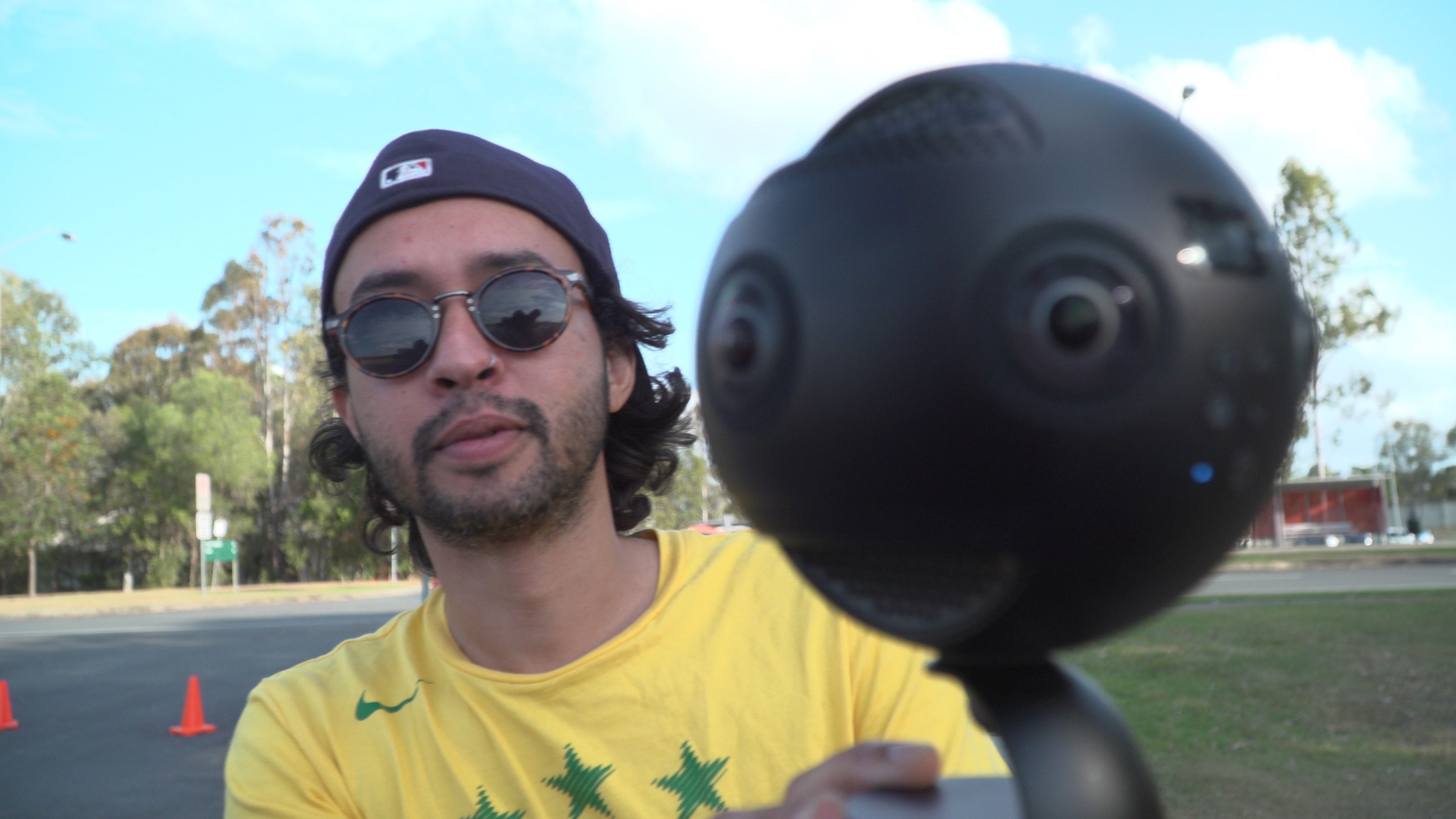
The internet is awash with documentation and information about horrifying events and yet has contributed to the rise of ‘compassion fatigue’ with users able to log off, shut down and look away.
In particular we want to target young people in High Schools and in Museums as well as at Universities, who engage with the world through new technology such as 360 technology. By using 360 immersive video, users are closed into the world to ensure that they feel and experience the fear, tension and dread of the victims in the worst moments of their lives and become part of the world.
‘If something is to stay in the memory it must be burned in: only that which never ceases to hurt stays in the memory.’ - Friedrich Nietzsche 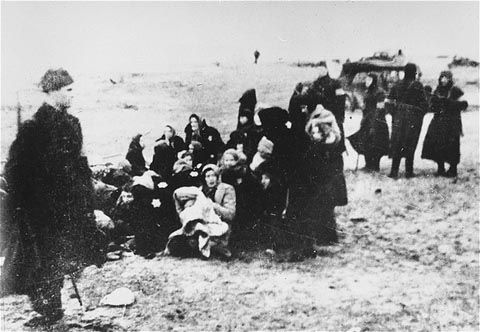
Development: Current – 15 October
Production: 11-23 November
Post-production: December-February
This project is intended to be used as an educational tool for schools, museums and other cultural institutions. It could be considered a pilot project for more experiences of this type.
This project has received $10,000 cash funding from Griffith University.
The $5000 requested through this campaign will go towards:
$1500 Crew travel
$1000 Local fixer
$2250 Post production
$250 Pozible fees
No other funding has been secured for this project thus far. A prominent US funding agency has expressed interest, but will only consider providing funding after viewing footage. Therefore, it is anticipated that the $5000 is seed funding to help us get to the next stage.
I just want to support an innovative creative project - no thanks needed! You'll have our infinite gratitude.
Our everlasting gratitude, and a thank you in the credits at the end of the 360 video
Receive a digital download of the film for your own individual use.
A digital download of the film and the rights to screen this project at your school or cultural institution.
An invitation to the Brisbane, Australia launch of the project
'This project was made possible with the support of [your logo/name]' full screen credit