Greville Street the book
AU$6,125
of $6,000 targetyrs ago
Successful on 16th Jun 2019 at 11:30PM.
The World is One Kilometre: Greville Street, Prahran
In May 2015 the PMI Victorian History Library, where I do most of my research and writing, moved from its 104 year residence in High Street to St Edmonds Road just near Greville Street corner. I was working on a history of Acland Street at the time and as that project came to an end in late 2017, I easily moved on to work on a book about Greville Street which had for about forty years from the 1960s been a culturally important location for socially dynamic twentieth century Melbourne.
I began with the natural and geographic history of the area before European settlement. This is always a rich and enlightening task setting the scene for the establishment of streets and the dramatic changes that were wrought on the land after colonisation. One of my earliest discoveries was the 1837 reserve for a ‘Mission for Aborigines’, just two years after the first Europeans settled in what would become Melbourne. Events in and around the mission, which covered land from the Yarra River to about present day High Street and between what is now Punt Road and Chapel Street, were mostly about the displacement of Aboriginal people and culture and the destruction of their relationship with their country. Even contemporary European writers with some understanding of the richness and complexity of Aboriginal life wrote about what they saw as something that would inevitably disappear. The brief period when Europeans and indigenous people shared the land was interesting to explore.
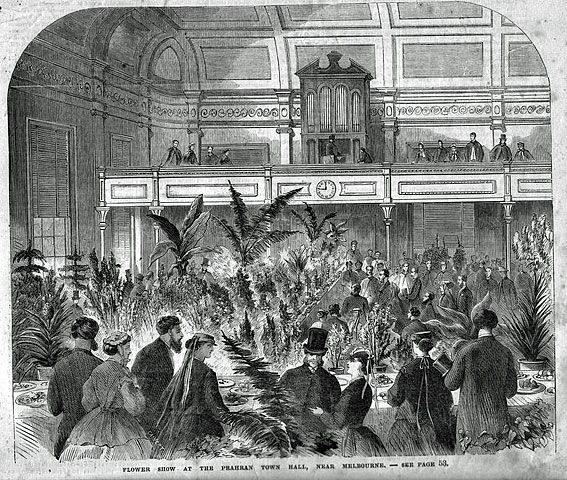
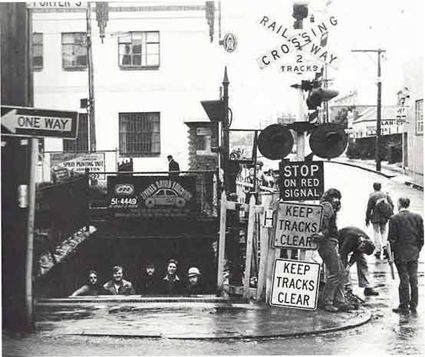
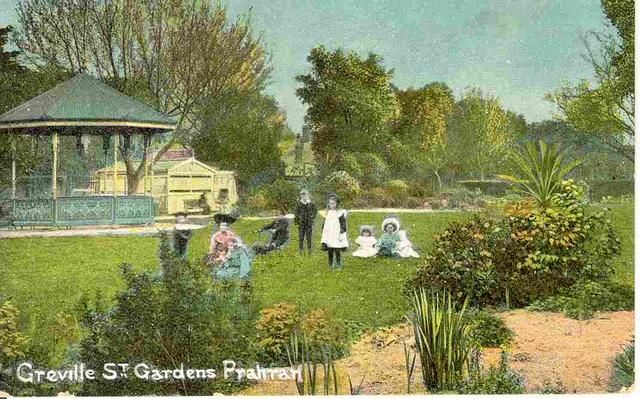
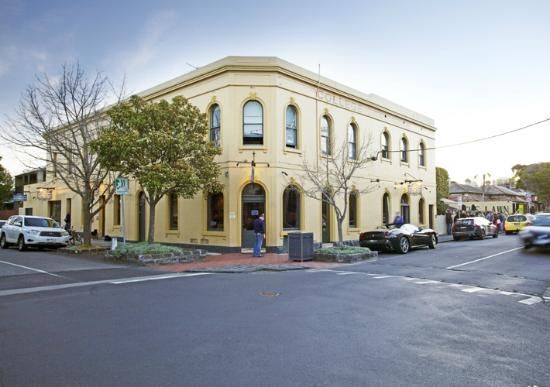
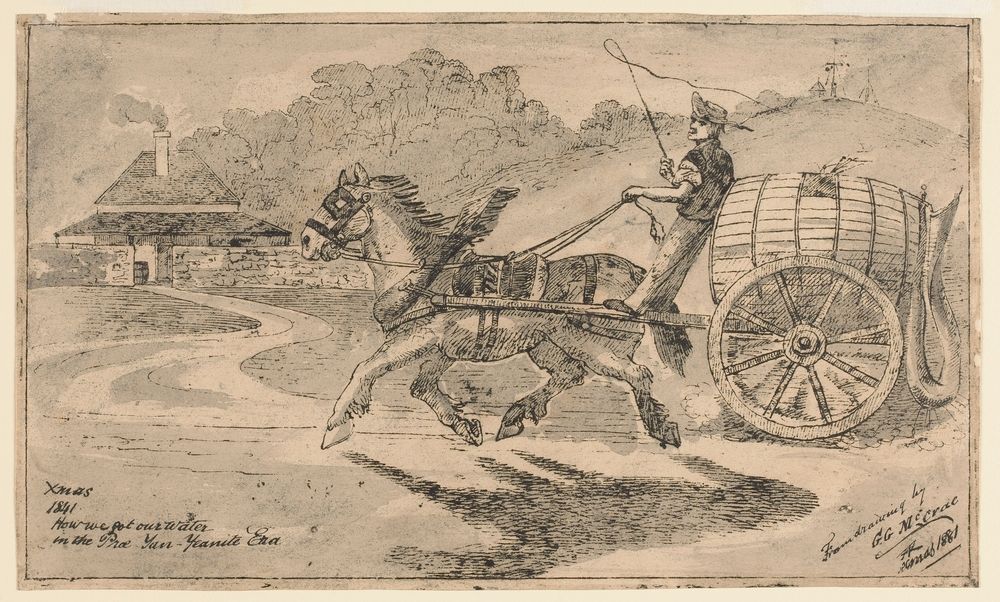
The speed of development after the 1840 subdivisions and land sales was, as always with the story of Melbourne, breathtaking. The building of the railway, town hall, courts and police station in the street during the 1860s, as well a one of Melbourne’s earliest foundries, inevitably made tiny Greville Street an important location.
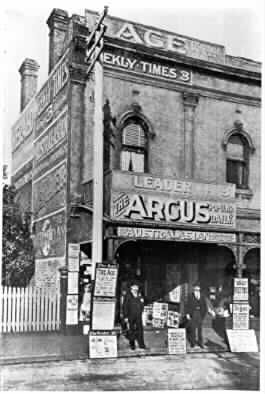
During the late nineteenth and the first half of the twentieth century, Greville was a typical inner city street with its share of problems arising from bad infrastructure and poverty but the railway and civic buildings led to the building of shops and a certain elan especially after the opening of Leggett’s Ballroom in the 1920s.
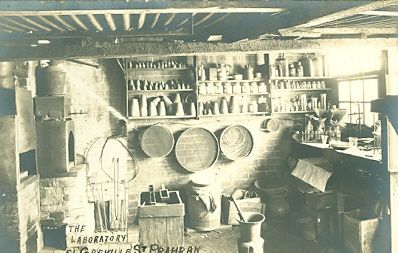
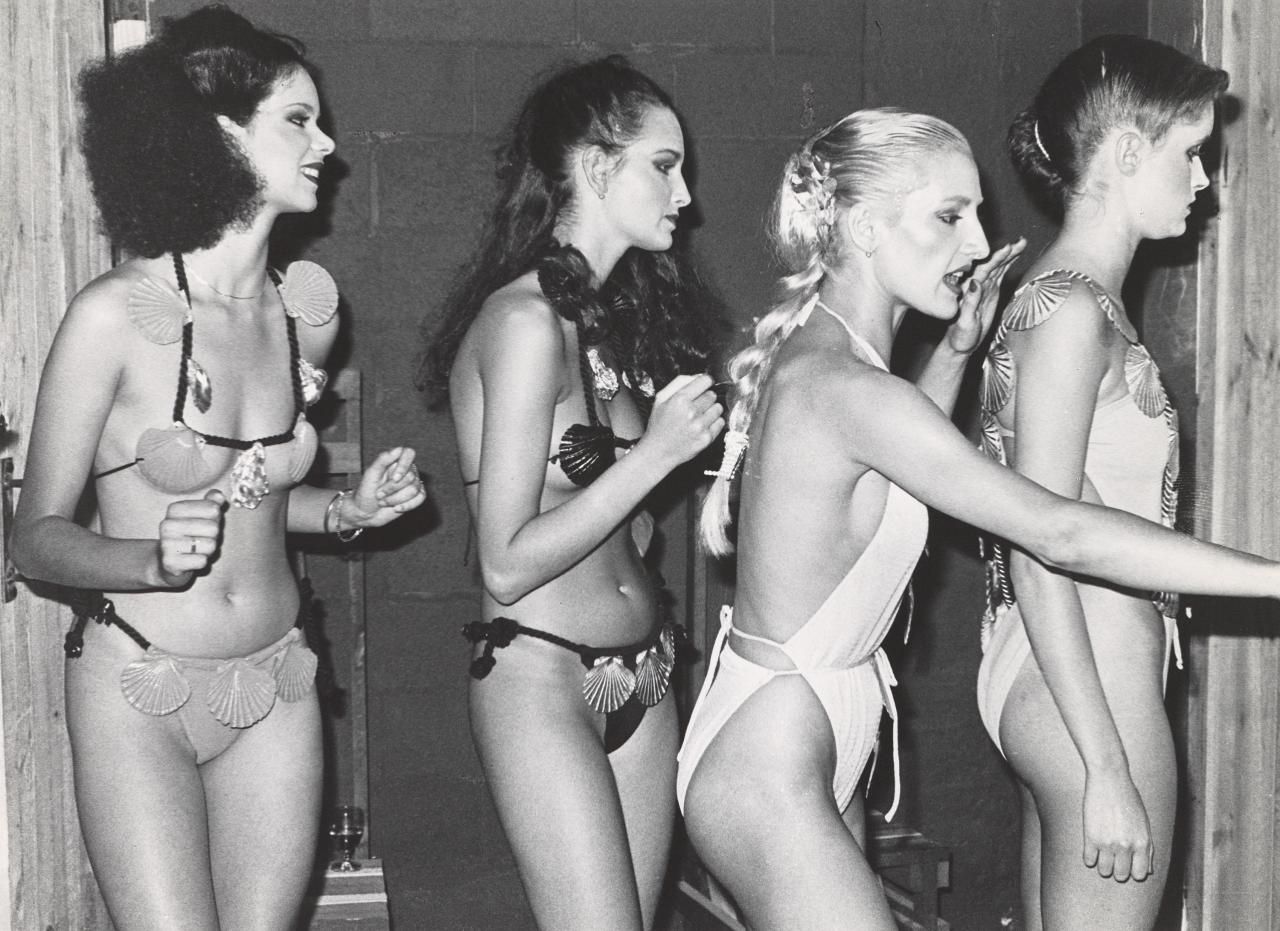
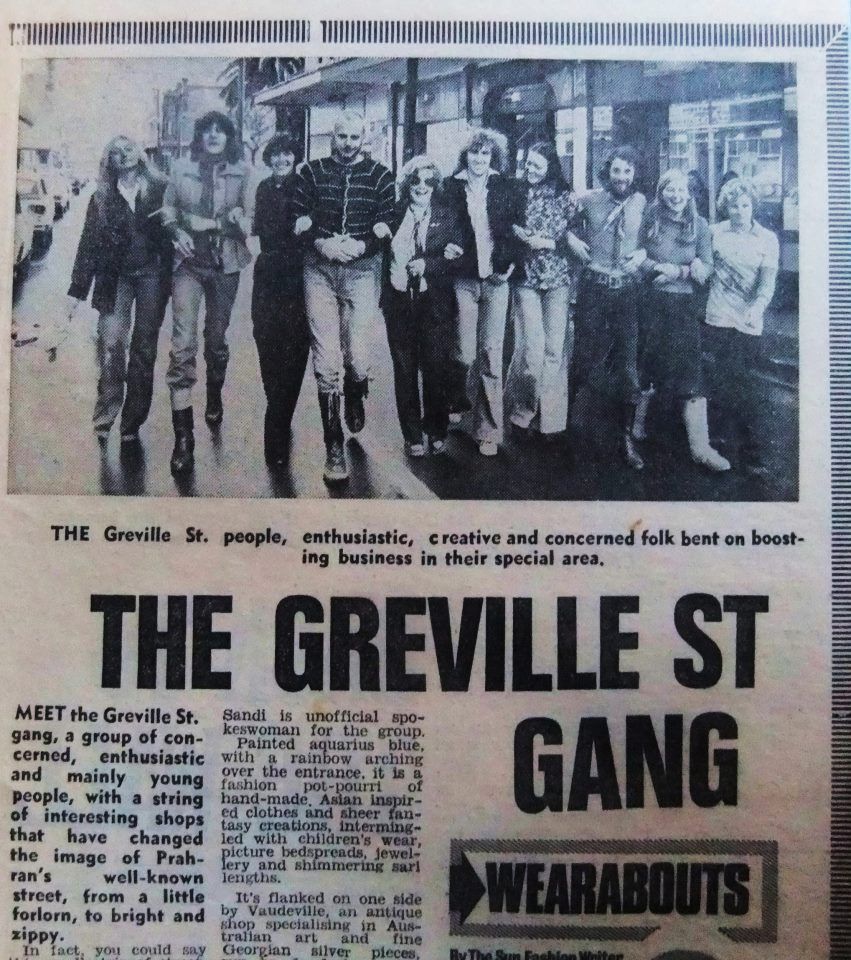
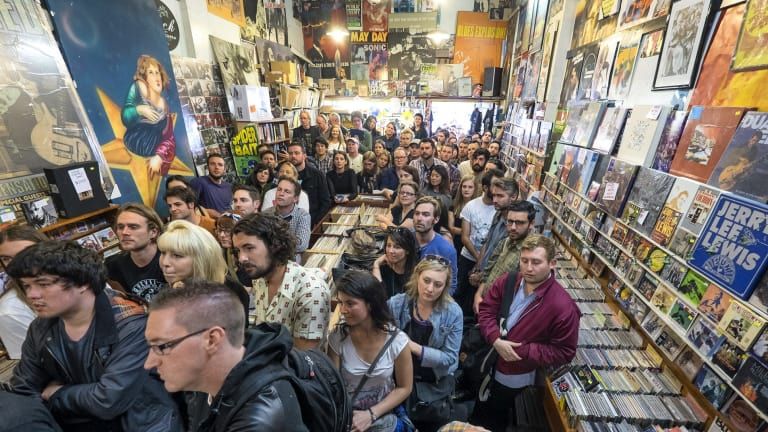
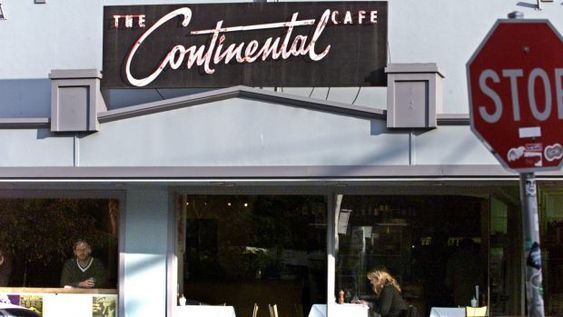
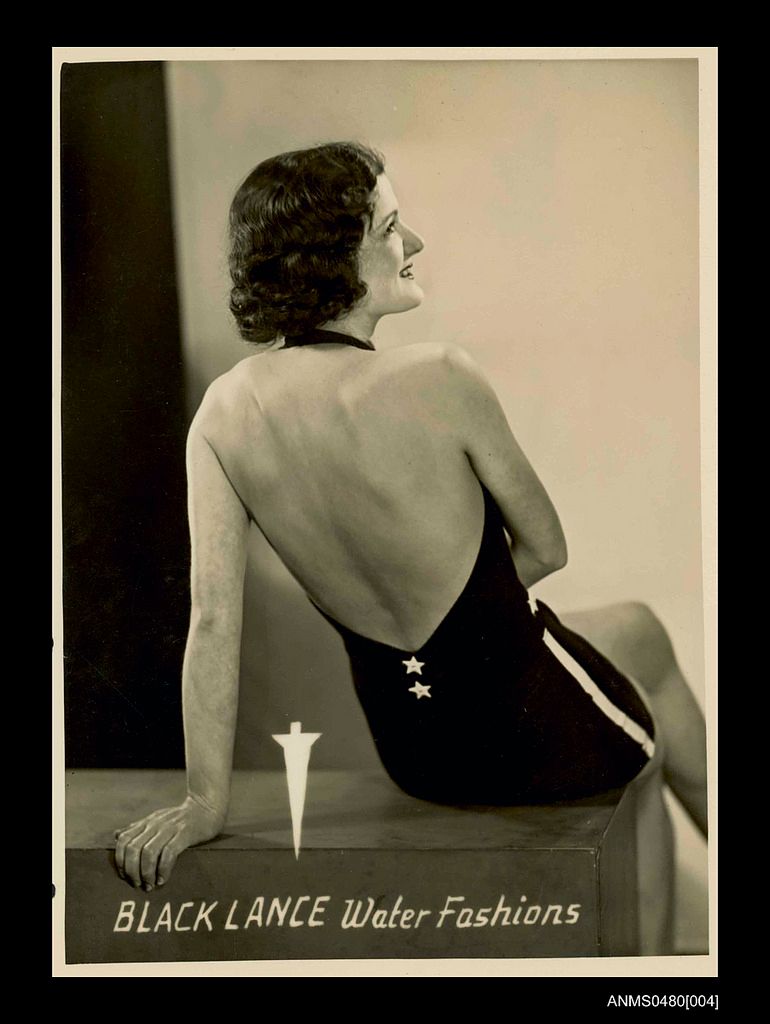
The 1950s brought migrants, especially from Greece, and from the 1960s to the 1990s the street was one of Melbourne’s key counterculture locations for music, clothes, food and lifestyle.
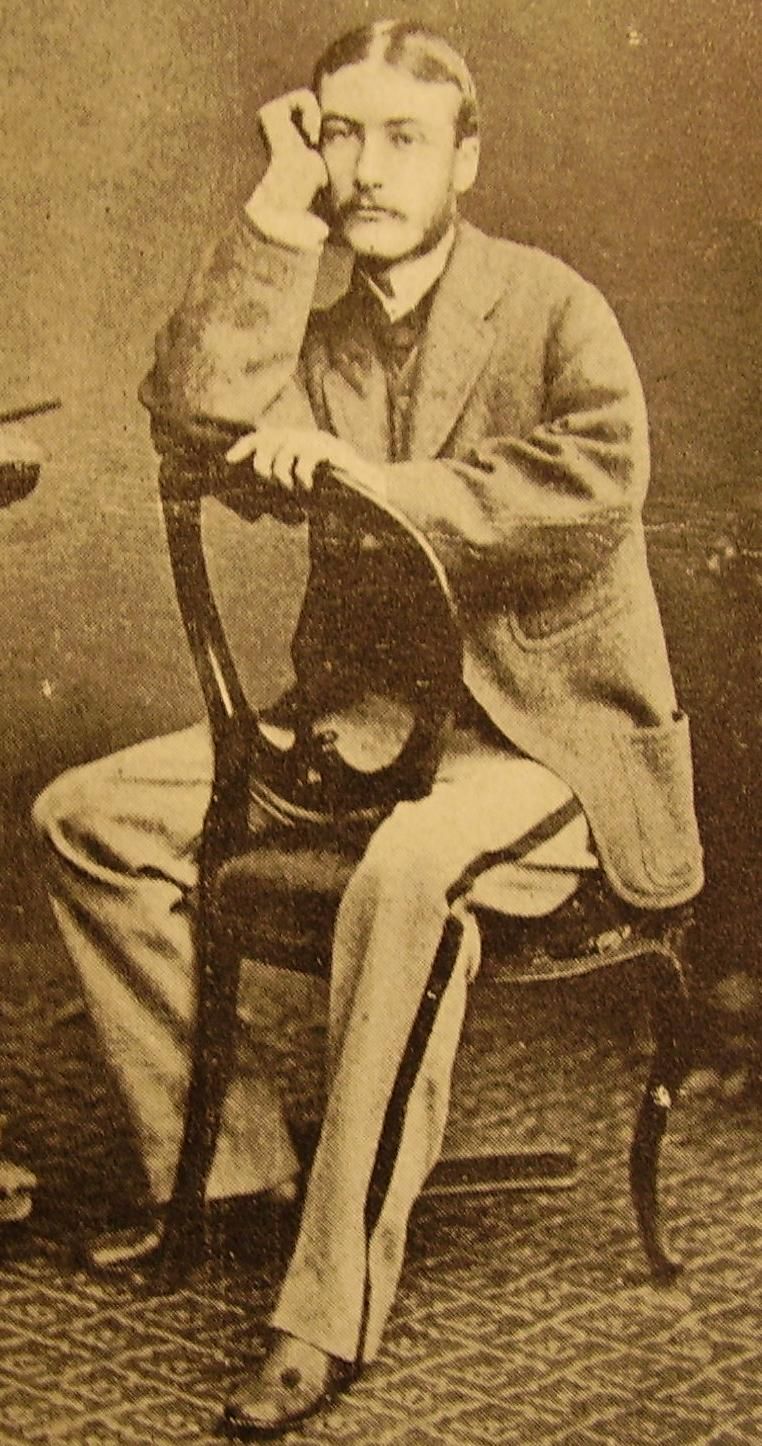
I have explored the whole history of the street and it will, as with all my books, be lavishly illustrated with images and maps.
We would like to cover the cost of printing, editing and design:
Printing 200 copies = $6590
Design and editing = $1950
Total = $8540
So our $6000 aim will cover a substantial percentage of that.
for $50 you get a signed copy of the book
you receive a fabulous poster AND a book
a book for you and one for a friend AND a poster