MarSeq: Sequencing Martian life
€1,223
of €8,500 targetyrs ago
Closed on 29th Aug 2017 at 10:00AM.
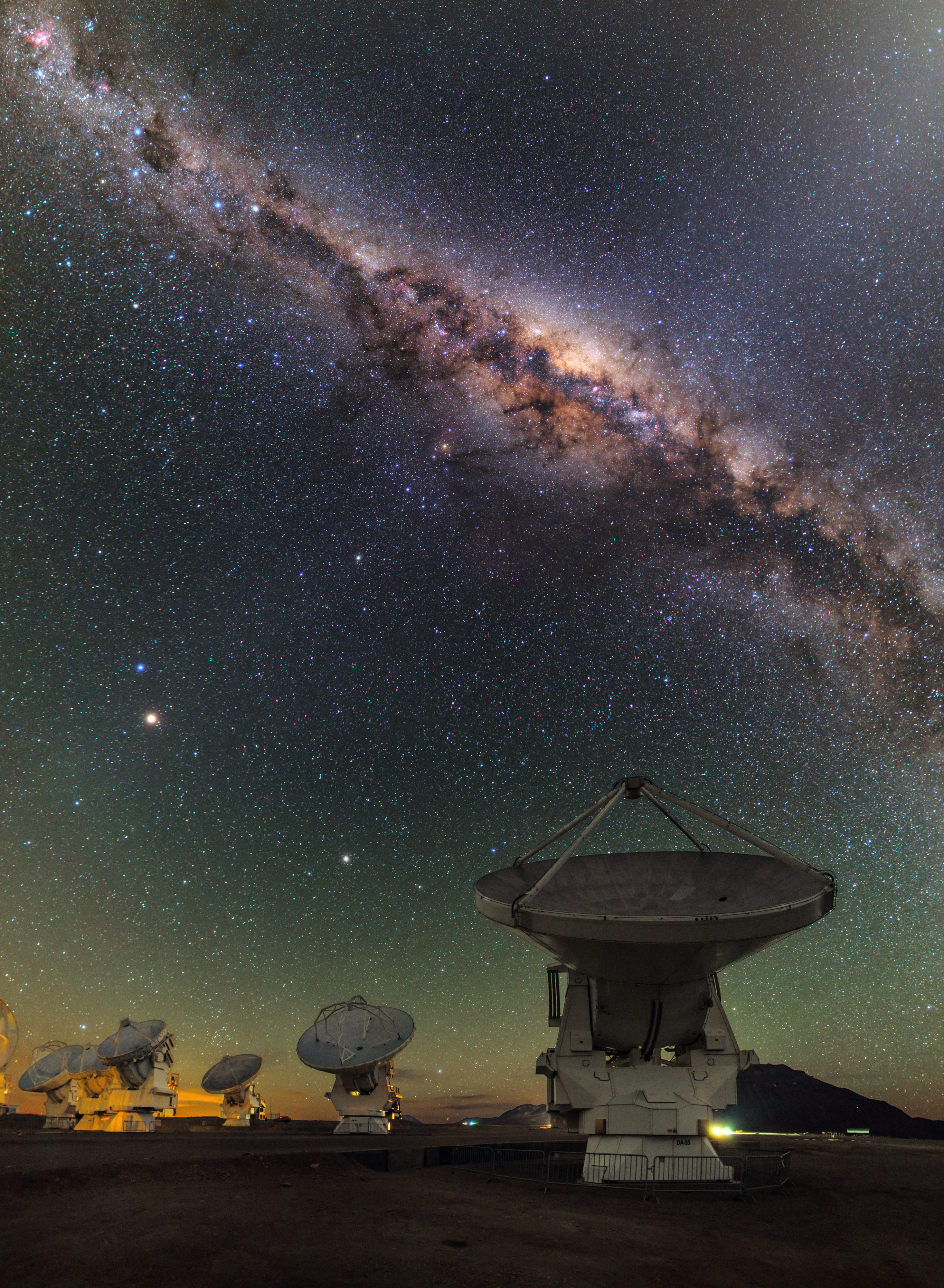
The search for extra-terrestrial life is one that has captivated human imagination for centuries. Not only have we explored these impulses through visionary movies like E.T. and Arrival, but we've also made scientific attempts to confirm or deny the existence of life beyond Earth. Early attempts came from observations from Earth-based and later, space-based telescopes, like the Search for Extraterrestrial Intelligence (SETI) project.
ESO/B. Tafreshi (twanight.org)
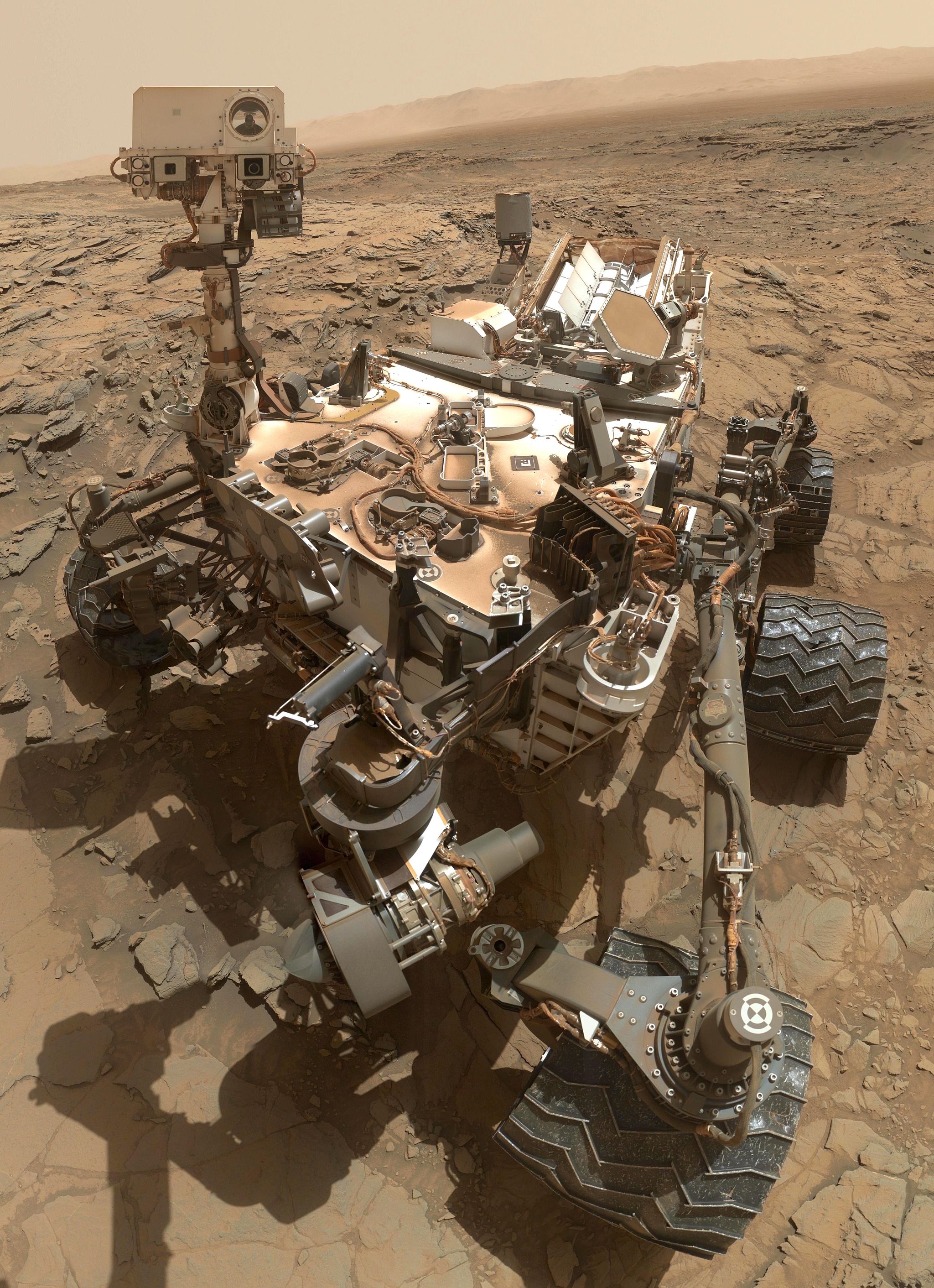
More recent data come from direct observations of conditions and biosignatures on Mars with robotic rovers. However, rovers have limitations- currently, we can only look at physical and chemical conditions on the Red Planet.
Curiosity Rover, NASA
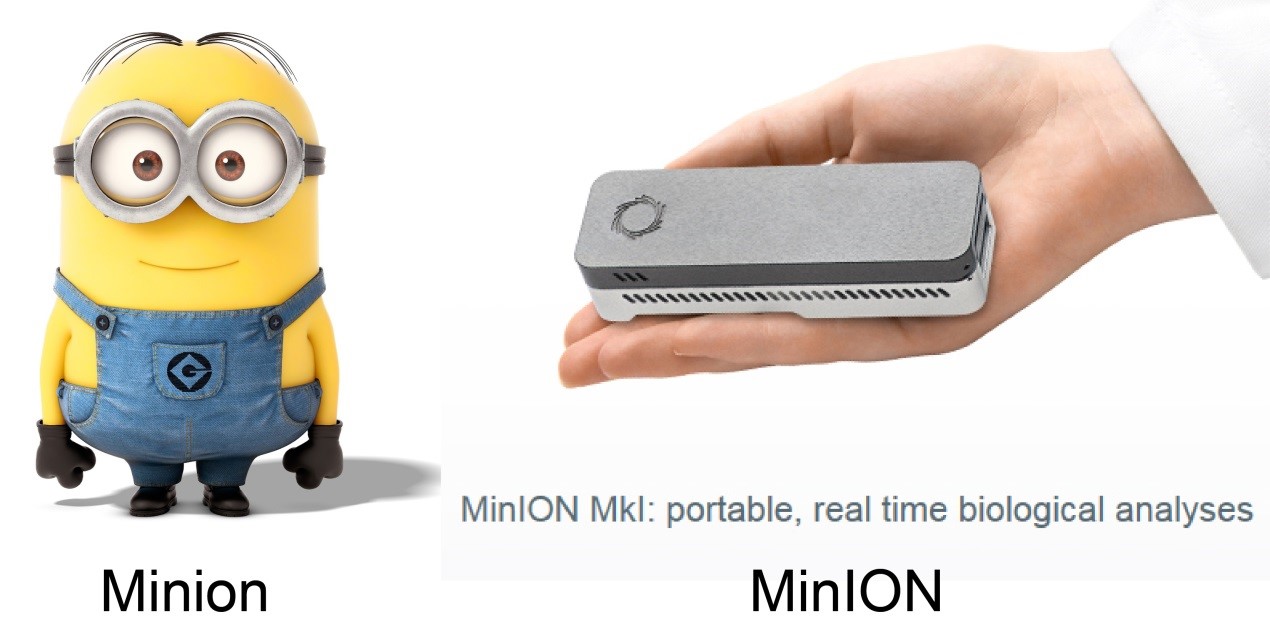
These types of data don't make it easy to confirm or deny that there might be life on Mars. However, recent advances in DNA sequencing technologies, like nanopore sequencing, provide the opportunity to search for and sequence any nucleic acid that may be the basis of life on other planets. Something like the tricorder from Star Trek! It's easy to carry around, has a simple workflow, and it's called a MinION!
Minions vs MinIONs
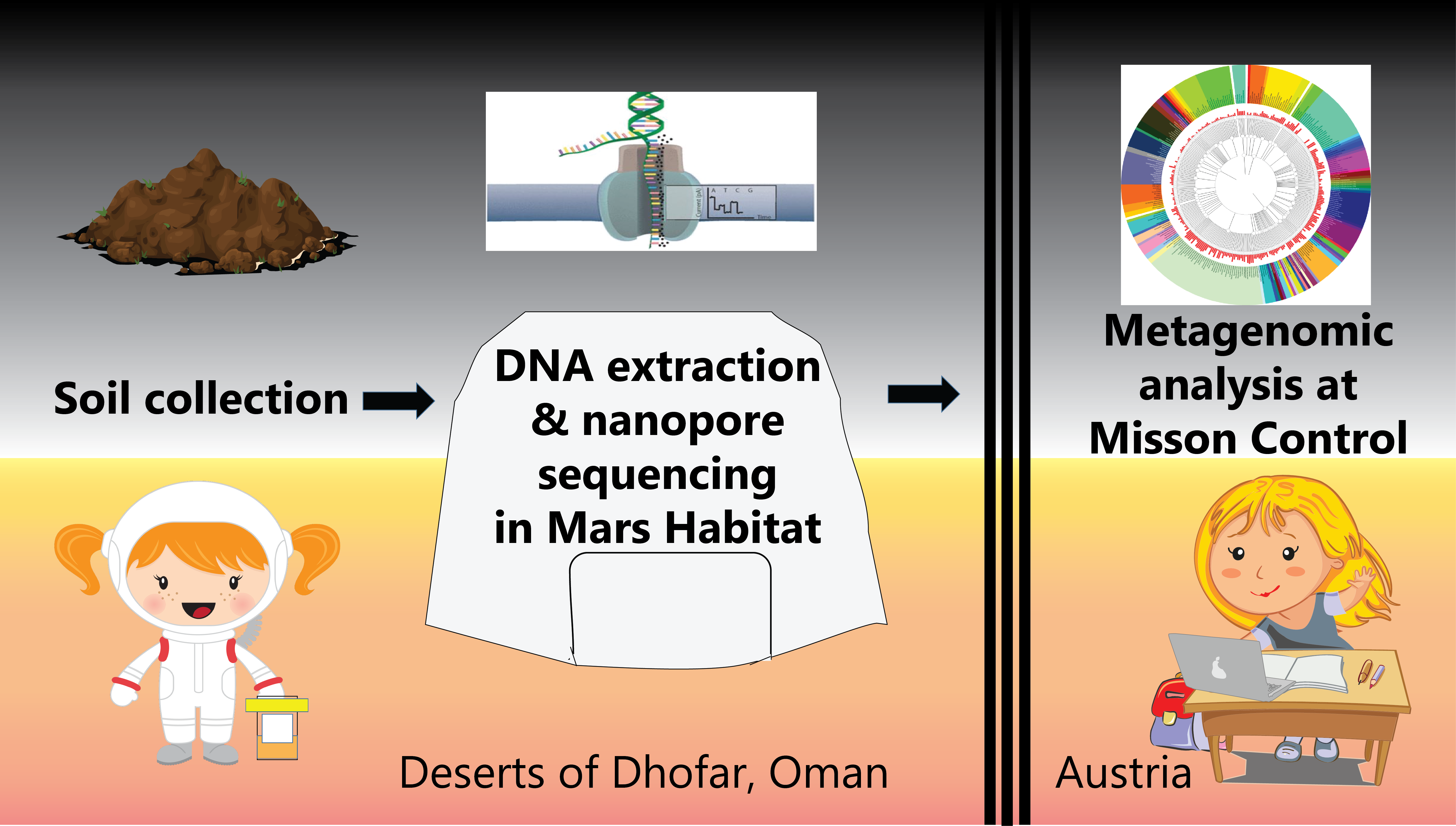
We have been selected to participate in a simulated Mars mission, AMADEE-18, facilitated by the Austrian Space Forum and happening in the deserts of Oman. Our part of the mission will be to collect soil samples, extract DNA, sequence it, and with these sequences, identify what lives in the soil at the test site. We want to simulate the same conditions, both environmentally and technically, that will be encountered on a future crewed Mars mission looking for signs of Martian life. As a bonus, we get to collaborate with other projects on the mission that focus on robotics and rover-building. This means that the methods we use may be adapted to be performed by a Mars rover!
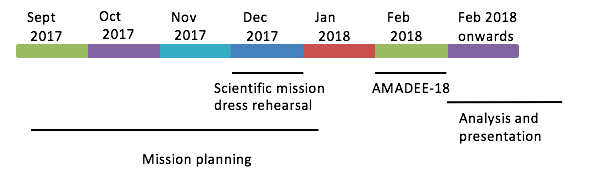
The remainder of 2017: Coordination and planning with the AMADEE-18 mission team
February 2018: AMADEE-18 mission, sequencing, and analysis
March- June 2018: More detailed analysis and publication of our results
What is the AMADEE-18 mission?
The AMADEE-18 mission is an analogue Mars mission coordinated by the Austrian Space Forum. This means that we, along with other research groups and trained “astronauts” and other support crew will be conducting an experiment in the Dhofar desert (Oman) as if it were a crewed mission to Mars. All the planning will happen as it would for a trip to Mars, and during the experiment, there will be a 10 minute delay between “Mars” and the mission support centre. For more information, including what other types of experiments we will be working with, you can visit the AMADEE-18 webpage.
What if life on Mars isn’t DNA-based?
It won’t be too much of a problem! The MinION sequencer has already been used to sequence RNA (directly) and another nucleic acid, XNA. So nanopore sequencing can be used to identify different nucleic acids that may be the basis of life on other planets!
Additionally, although it is true that extraterrestrial life may not be nucleic acid based at all, we’d feel pretty silly if it was and we didn’t look for it! It makes scientific sense to look for what we know (and can rule out if we don’t find it) and then start looking for the unknown. Samples will be preserved from this, and future Mars missions, so that as new technologies become available we can re-analyze them.
What other ways are people trying to confirm life on Mars?
We’re glad you asked!
Check out these other amazing projects:
SETG: “Our team is developing an instrument that can isolate, detect, and classify any extant and preserved DNA or RNA-based organism. SETG will test the hypothesis that life on Mars, if it exists, may share a common ancestor with life on Earth.”
“The August solar eclipse gives us a rare opportunity to study the stratosphere when it's even more Mars-like than usual,” said Jim Green, director of planetary science at NASA Headquarters. “With student teams flying balloon payloads from dozens of points along the path of totality, we’ll study effects on microorganisms that are coming along for the ride.”
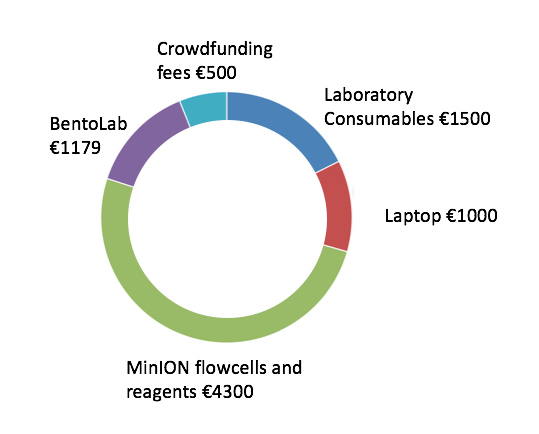
Total: €8500
If we exceed our targeted goal, funds will be used for:
As the mission is being coordinated by the Austrian Space Forum, there aren't many logistical challenges from our side.
The MinION sequencer has been used in a variety of difficult environments, so the desert test site for the AMADEE-18 mission should not pose a problem. It is possible that the soil will be of such low bio-mass that it may be difficult to detect life signatures. However, we'll still be able to use the data to fine-tune our protocols for samples that we expect to contain even lower amounts of life, like soil from Mars.
You will have our eternal gratitude, a public thanks on Twitter, and be among the first to hear about our updates and results!
As we're sequencing our desert soil samples, we'll send you an alert when we're sequencing your sample and a unique screenshot of the run in progress. See your nanopores in action! Use the image anyway you like-- decorate your living room! We'll also make sure to keep you up-to-date with our progress and results.
You will receive an official, limited-edition AMADEE-18 Mars analog mission badge! Again, you will have our eternal gratitude and be among the first to hear about our updates and results!
Your name will go in the acknowledgements section of the publication(s) resulting from this project!
A Skype call with Julie, Nazeefa, Titus, or Tracy to discuss the MarSeq project, science in general, or a topic of your choice! We're happy to chat with individuals, school classes, or other groups.
A guided virtual tour of the Mission Control room in action while the AMADEE-18 mission is in progress. Skype with the crew on Mission Control's big screen!
Would you like your name immortalized, attached for all time to a newly discovered species? If we find a previously unknown species within our sequence data we will name it after you! How does Mycobacterium heidii sound? Or Escherichia davidus? First come, first served with this reward. The first person to pledge will name the first newly discovered organism. The second, the second, and so on.
Tell all your friends you have your very own Mars rocks (almost)! Comes with a certificate of authenticity and official photo from the astronauts at the test site. Rocks will be cleaned prior to shipment to comply with import regulations.
An in-person tour of Mission Control while project MarSeq is happening! This includes time with an in-depth 3D virtual reality setup with an omnidirectional treadmill so you can walk on Mars! Mission Control is located in Innsbruck, Austria. You will be responsible for your own travel arrangements.
Wine and dine in one of our home towns! You provide the transportation and we'll provide the dinner, drinks, dessert, and discussion in either Salzburg, Austria; Lund, Sweden; Davis, California; or Madison, Wisconsin.